Shaping the next generation of
AI researchers in Southeast Asia
Experienced AI researchers who guide early-career researchers through the SEACrowd Apprentice Program. We're looking for 2027 mentors.
The SEACrowd Apprentice Program is a part-time, remote research program pairing experienced researchers with early-career talent from Southeast Asia to produce models, datasets, and publishable research. Each cohort runs February–June, with mentors working directly with teams of 2–5 mentees on focused AI research projects — from problem scoping and experiment design to shepherding work toward publication. Over two cohorts (2025–2026), our mentors have guided 24 mentees across 8 projects, with the first cohort publishing at MRL @ EMNLP 2025.
What we look for
-
Active researcher in AI, ML, or NLP with peer-reviewed publications
-
2–4 hours/week availability, February–June, fully remote
-
Connection to Southeast Asia — by origin, affiliation, or research focus
-
A research project idea scoped for a 5-month timeline, or willingness to co-develop one with the team
What you'll gain
-
Materialize your project alongside strong, curious mentees
-
SEA research network — join a growing community of researchers across the region and beyond
-
Professional growth — leadership, mentoring, and research management experience
-
Direct impact on the next generation of AI researchers in Southeast Asia
What mentors say
I've had the privilege of mentoring for SEACrowd since day one, and it never stops being an amazing experience. This batch of mentees feels like a team of peers. They are highly active and driven, making our research discussions fantastic. I can't wait to see them grow into leading AI experts and watch the SEA community's impact grow.
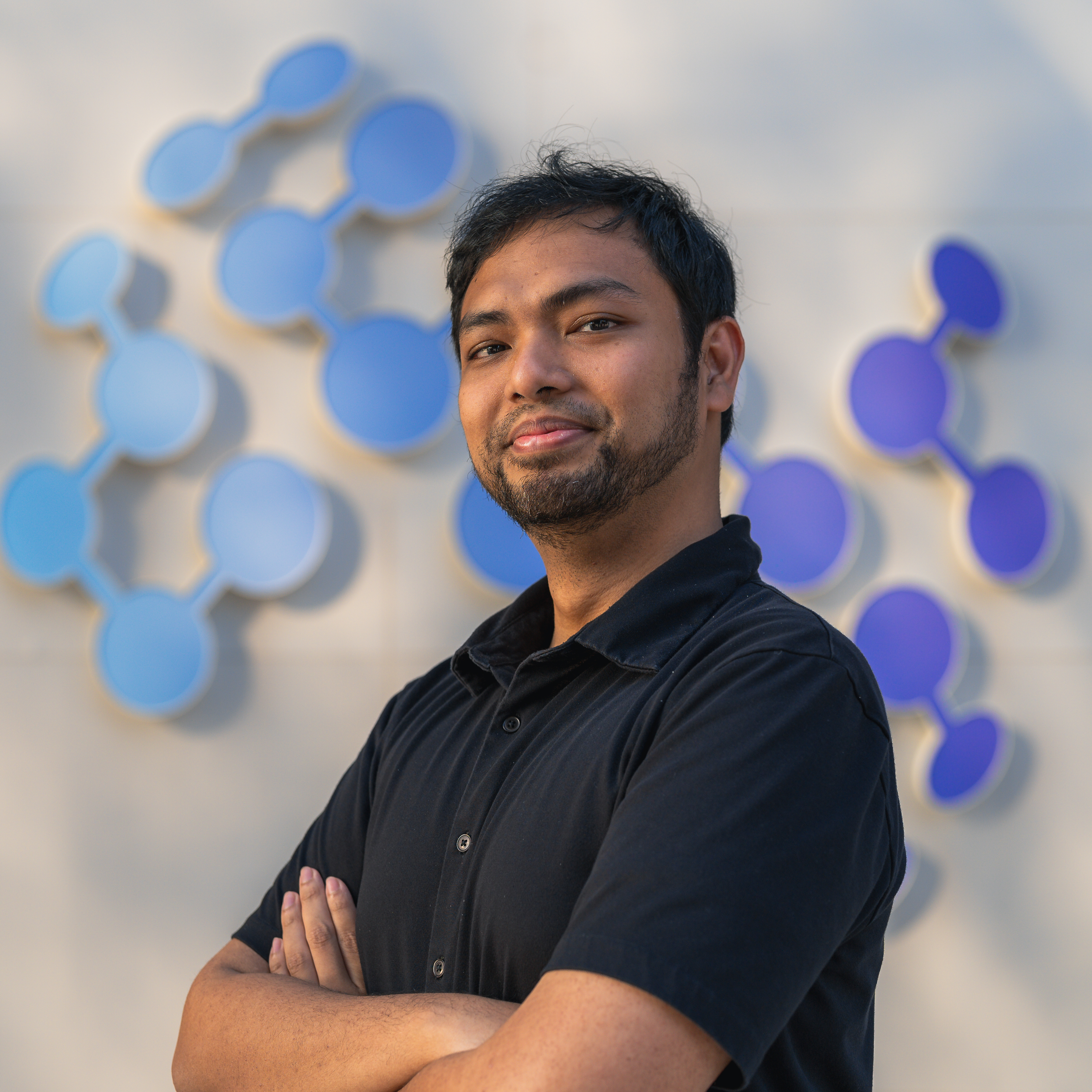
Assistant Professor, MBZUAI
Being a mentor in both last year's and this year's program has been a deeply rewarding experience. The mentorship journey has been mutually beneficial: while guiding these talented students, I have also learned new ideas, approaches, and perspectives from them. What makes the experience especially meaningful is that many of these students genuinely aspire to become researchers, and their curiosity, dedication, and growth have been inspiring to witness.
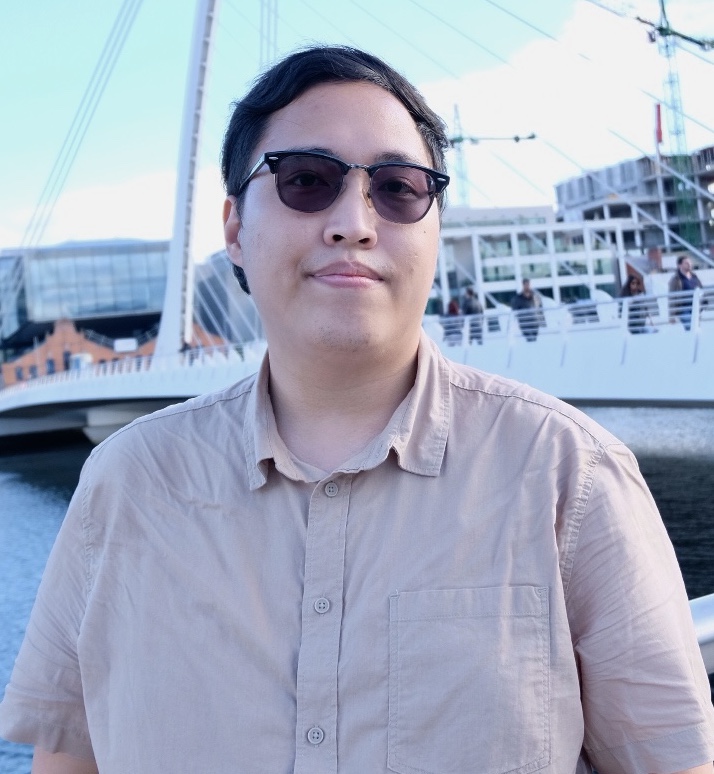
Research Fellow, AI Singapore
Memory compression for LLMs is literally my PhD topic, so mentoring is less teaching and more nerding out together over late-night calls. The mentees keep me sharp — they ask the "wait, but why?" questions that make you rethink your own assumptions. I got into research because my mentors gave me a chance, and SEACrowd is that chance for the next wave of Southeast Asian researchers.
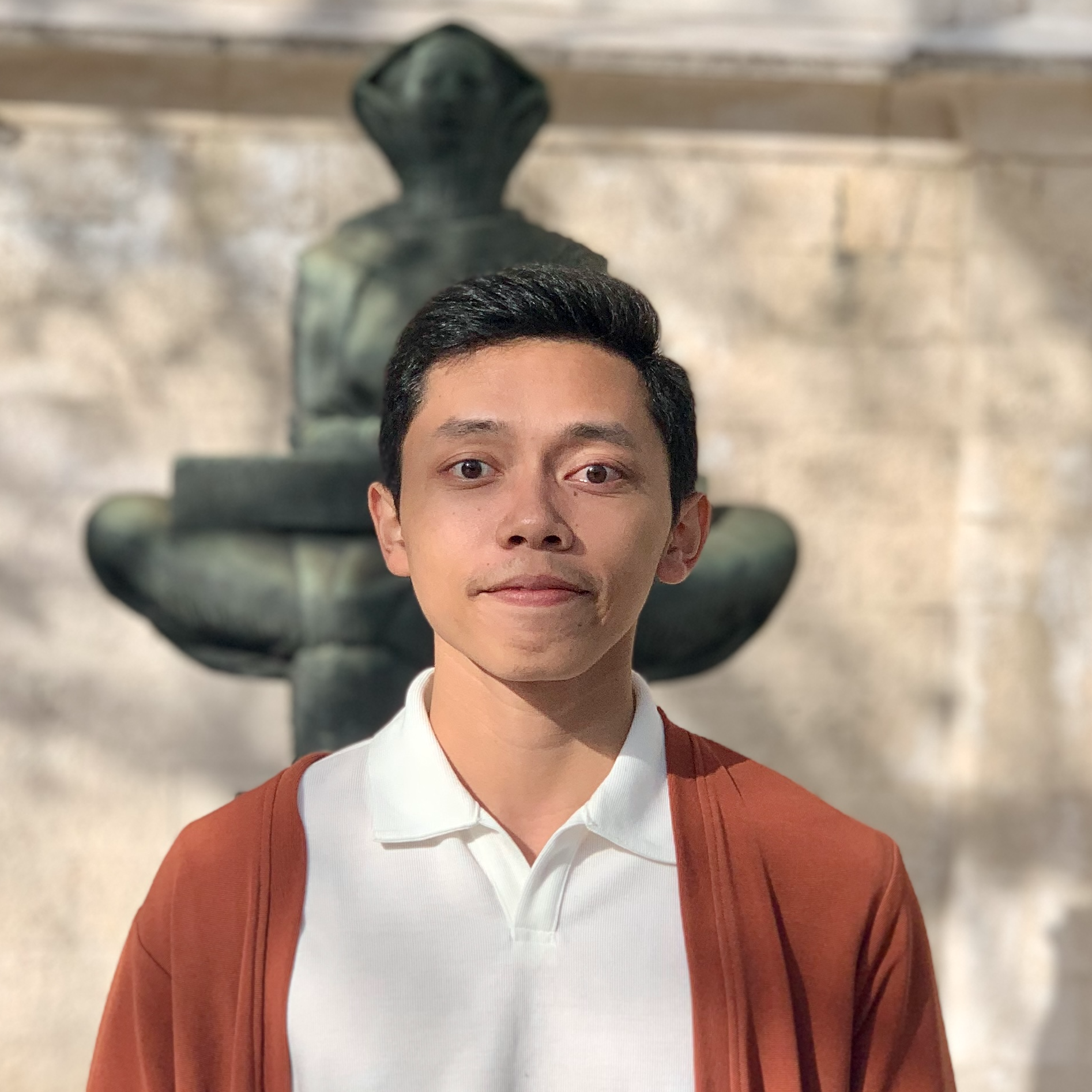
PhD Student, University of Edinburgh
It has been both an exciting and rewarding journey to work with students and witness their growth. Many of them begin as complete beginners, gradually learning to navigate the world of research in ways that will benefit them in the long run. Among them are several "diamonds in the rough" who show strong potential, and we are committed to helping them develop their skills and grow into successful future researchers.
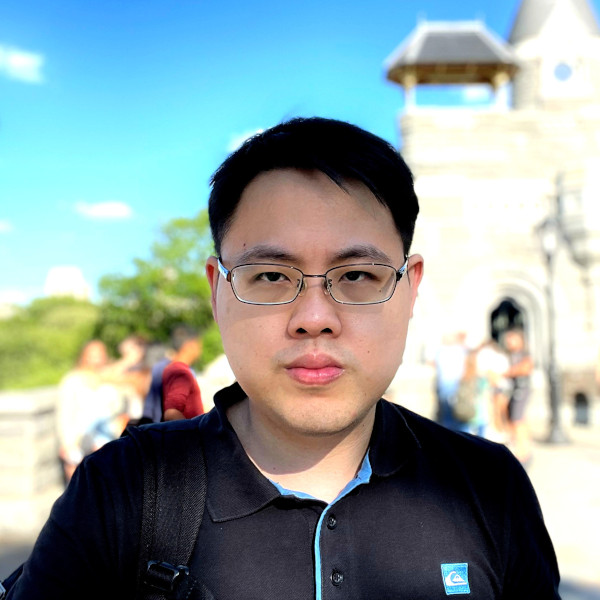
Senior Applied Scientist, Capital One AI Foundation
How it works
- Express interest — submit the form. We review your background and research ideas.
- We reach out — if you’re not already affiliated with SEACrowd, we match you with one of our researchers. This ensures the project runs smoothly even if one mentor is unavailable, and gives you a built-in connection to the community.
- Develop a proposal — write a research proposal with clear research questions or hypotheses, scoped so most of the work can be completed within 5 months, with a rough timeline and resource estimate.
- Proposal review — we screen proposals for impact, tractability, and cost, and mentors for mentorship experience. If interests align, we work with you to develop the proposal further.
- Recruit your mentees — we help screen candidates for your project, and you decide (via interviews, trial tasks, or similar) who to bring on.
- Program runs Feb – Jun — we onboard your mentees and provide the team with financial and research support throughout the program.
Frequently Asked Questions
We’re looking for active researchers or practitioners in AI, ML, or NLP — ideally with peer-reviewed publications and some experience guiding others. You should have a meaningful connection to Southeast Asia, whether by origin, affiliation, or research focus. There are no formal degree or seniority requirements, but our past mentors are usually MSc & PhD students (or holders). Take a look at past projects to get a sense of the kind of work we support.
No. Our mentors come from institutions worldwide. What matters is your commitment to supporting researchers from Southeast Asia and your availability for remote collaboration.
Yes, applied projects are welcome, but they should have a clear research component: a novel methodology, a measurable contribution, or findings that advance the field beyond the application itself. A useful reference point is what venues like AAAI’s Innovative Applications of AI (IAAI) track or the ACL Industry Track consider in scope — work that deploys real systems and surfaces insights about how AI behaves in practice. If your idea is purely product-focused without a research angle, it’s likely not a good fit.
We don’t have a rigid template, but a strong proposal covers: the research question or hypothesis, why it matters for Southeast Asia, the core methodology, what’s achievable in 5 months, and rough compute or data needs. We’re happy to give feedback on early-stage ideas before you commit to writing a full proposal — just reach out at seacrowd.research@gmail.com.
We prefer co-mentorship so the project runs smoothly if one mentor becomes unavailable. If you don’t already have a co-mentor in mind, we’ll match you with one of our researchers (see step 2 in “How it works”). If you have a compelling reason to mentor solo, we can discuss it case by case.
It depends on the stage. Adding a collaborator before mentees are recruited is straightforward. Mid-program additions require discussion with the whole team. Authorship should always be agreed upon early and follows standard AI/ML academic practice (contribution determines credit).
Roughly 2–4 hours per week over the ~5-month program (February – June). This includes weekly or bi-weekly check-ins with your mentee team plus asynchronous feedback. The exact cadence is flexible and agreed upon by each team.
Most projects have 2–5 mentees per team. If there are multiple mentors on a project, responsibilities are split based on expertise and availability.
We handle logistics: mentee recruitment and screening, program communications, mid-term and end-term reviews, and compute resources for experiments. Mentors focus on research guidance; we handle the rest.
Email us at seacrowd.research@gmail.com or join our Discord and ask in the #apprentice-program channel.