Connecting rising talent in AI research
with expertise in Southeast Asia
A part-time, remote research program that pairs experienced researchers with early-career researchers across Southeast Asia to build models, datasets, and publishable research. 10+ hours/week Feb 1 - Jun 30, 2026.
Mentee application for 2026 is closed. We expect to open batch 2027 application in Q4 2026.
2026 Research Topics
We offer five cutting-edge research projects:
- Multilingual Agentic for Underrepresented Regions - Developing evaluation frameworks for agent-based language models in low-resource languages
- CoRaL: Contextual Relevance and Linguistic Enrichment - Multi-dimensional data curation framework for low-resource language training corpora
- Reasoning Agentic LLM Router - Skill-based routing mechanisms to reduce inference costs while maintaining performance
- Selective Memory Layer Finetuning - Architectural solutions for continual learning using memory layers
- Knowledge Distillation in Multilingual Vision-Text Models - Creating compact vision-language embeddings for edge devices
Who Can Apply
There are no formal eligibility or age limits. We’re a growth-first programme and value potential, motivation, and effort more than credentials.
We welcome anyone who can commit 10+ hours/week to the program and meets at least one of the following:
- Your affiliation (e.g., school, organization, company) is from Southeast Asia (SEA).
- You were born and raised in SEA (living there more than 10 years).
- You are doing or have done SEA-related research.
and share our vision.
What Increases Your Chances
- Bachelor’s degree with a publication or Master’s degree.
- Clear AI research goals (pre-doctoral programs, early-year PhD, or prior collaboration with mentors).
- Fit with project topic, capability, motivation, mentors (assessed via application + interview).
What You’ll Gain
- Certificate of achievement upon completion
- Letter of recommendation for PhD/job applications (for strong contributors)
- Potential publication at top ML/AI/NLP venues. The order of authorship is determined by your actual contribution, and usually first authorship is reserved for project lead.
- Mentorship from experienced AI researchers
- Peer network with similar research interests
- Hands-on experience in collaborative AI research
Check out previous batch projects and publications!
2025 Success Story
Our first cohort (2024-2025) featured three apprentice teams who successfully completed their projects, culminating in mentees’ first-authored research papers published at the 5th Multilingual Representation Learning Workshop (2025). Check out their projects and our retrospective post running the first cohort.
Application Process
- General Application: Nov 17 - Dec 17, 2025 (23:59 UTC-12).
- Selection: mid-Dec 2025 - Jan 19, 2026
- Round 1: Application screening
- Round 2: Online interview
- Team announcement: mid-Jan 2026
Program Schedule
- Kickoff: Feb 1, 2026
- Mid-term milestone: End of Mar / early Apr (internal review)
- End-term milestone: End of Jun (SEACrowd-wide + external committee)
Publications are encouraged when ready, not tied to specific conference deadlines.
Who You’ll Work With
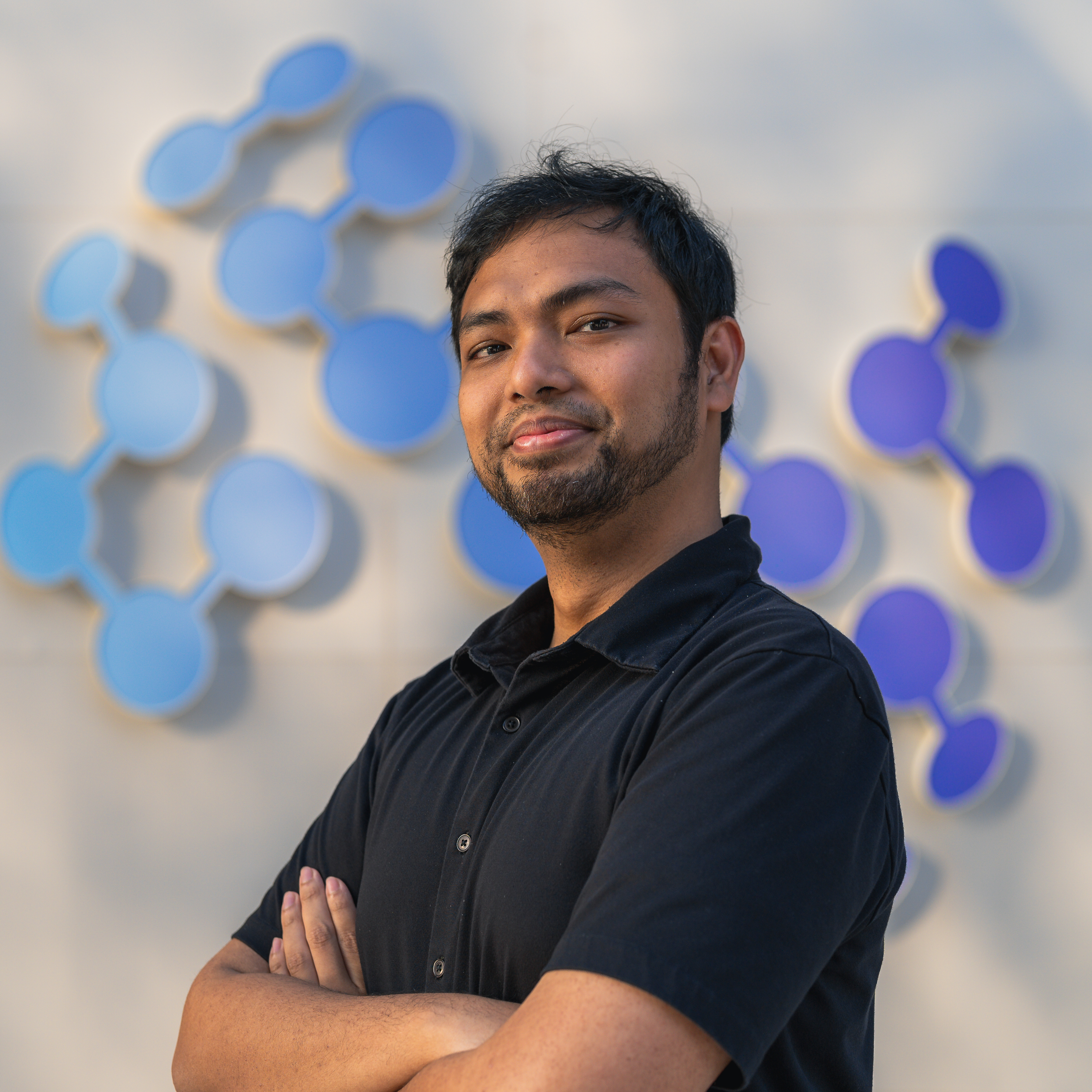
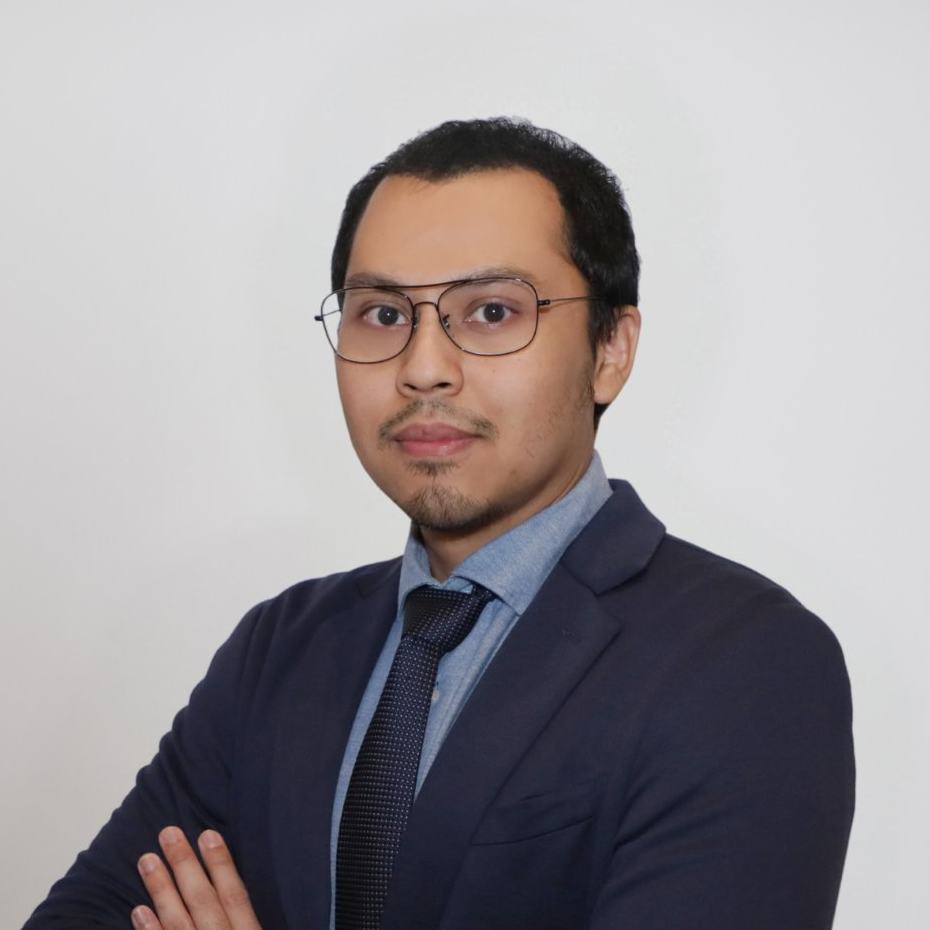
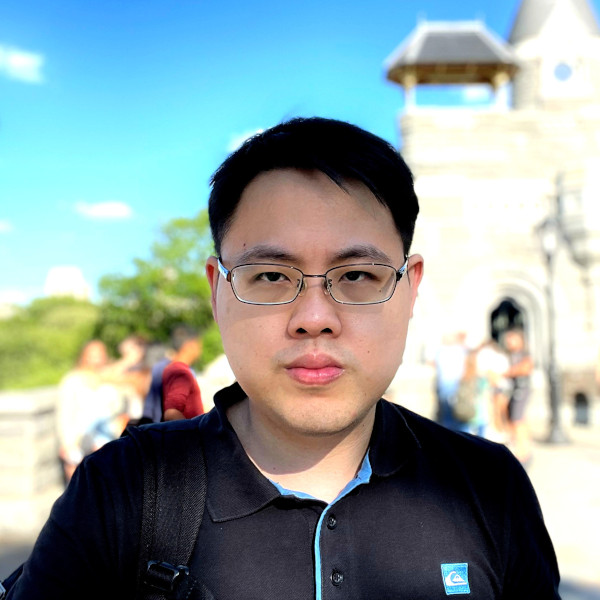
Primary Mentors
Secondary Mentors
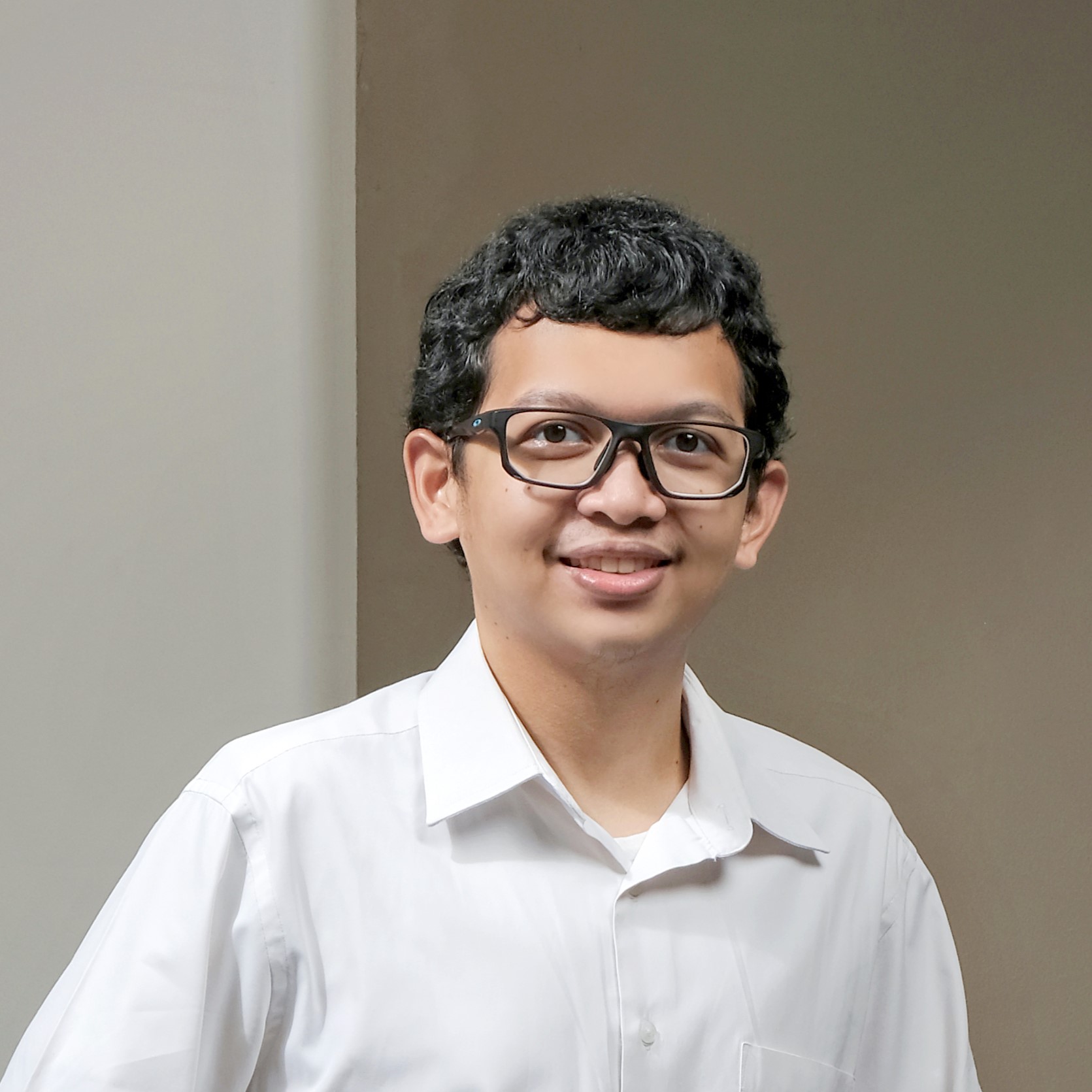
Organizers & Research Managers
FAQs
- Applications: Nov 17 – Dec 17, 2025 (23:59 UTC-12)
- Selection: mid-Dec 2025 – Jan 19, 2026 (screening + interview)
- Team announcement: mid-Jan 2026
- Program dates: Feb 1 – Jun 30, 2026
We list the official milestones above. Since the program is remote and part-time, we expect conflicts to be manageable. Any major conflicts should be disclosed in your application, or smoothed out with your team if you’re selected.
There are no formal eligibility or age limits. You can apply if you meet at least one of the following:
- Your affiliation (school, organization, or company) is from Southeast Asia (SEA)
- You were born and raised in SEA (living there more than 10 years)
- You are doing or have done SEA-related research
You can still qualify if your work connects to Southeast Asia. One clear way is to do research related to Southeast Asia, particularly in Machine Learning or Natural Language Processing.
Examples include work on SEA languages, regional datasets, or SEA-specific social or cultural AI challenges.
This alone does NOT qualify you for the program.
However, speaking a language from Southeast Asia can help, especially if it informs your research interests. We encourage you to highlight any relevant language skills and how they connect to your research goals in your application.
No, applications are individual. However, during the selection process, we may consider team dynamics and try to group mentees with complementary skills and interests.
Prior research experience or publications are not required but can strengthen your application. We value strong foundational knowledge in ML, potential, motivation, and fit with project topics and mentors more than credentials. If you have relevant experience, be sure to highlight it in your application.
We expect mentees to commit at least 10 hours per week (hard minimum). This includes time for meetings, research, coding, writing, and collaboration with mentors and peers. The recommended commitment is 15–20 hours per week for a more immersive experience.
We understand that mentees may have other commitments. The program is designed to be flexible and part-time. We recommend discussing your availability and commitments with your mentors and team members to ensure a manageable workload.
However, we cannot accommodate mentees who cannot commit the minimum required time.
The SEACrowd Apprentice Program is a remote research program.
Yes, the program is completely free to join for all selected mentees. We provide compute necessary for research projects.
The program is unpaid. However, mentees gain valuable research experience, mentorship, networking opportunities, and potential publication avenues.
Unfortunately, we do not have funds to provide stipends or financial support at this time. We recommend seeking external funding sources, scholarships, or institutional support if needed. Otherwise, we welcome you to apply in future cohorts when you have the necessary resources or when we may have funding available.
We use English as the primary language for all program communications, documentation, and deliverables. Communication channels will be team dependent, but we expect teams to primarily use Discord for day-to-day communication, and Google Meet / Zoom / Microsoft Teams for meetings. How frequent meetings are will be up to each team to decide, but likely weekly or bi-weekly check-ins with mentors.
No, mentees can only be accepted to work on one project per cohort to ensure focus and commitment.
Once accepted, mentees are expected to commit to their assigned project for the duration of the program. Switching projects is generally not allowed, as it can disrupt team dynamics and project continuity. If you have significant concerns, please discuss them with the program organizers.
For the 2026 cohort, we are only accepting applications for the predefined research topics listed on the program page. You can suggest ideas for the topic that you’ve chosen, but you cannot propose an entirely new project. The topics typically come from our mentors and organizers based on research gaps in Southeast Asia and their expertise, so we can ensure quality mentorship and project scope.
However, we encourage you to suggest new project ideas for future cohorts by reaching out to us via email at seacrowd.research@gmail.com. You can also reach out to other mentors & collaborators in research communities like Cohere Labs Open Science Community, Eleuther AI, Masakhane, or Nous Research.
While we encourage and support publication efforts, we cannot guarantee that every project will result in a publication. Successful publication depends on various factors, including the quality of the research, relevance to conference/journal themes, and acceptance by peer reviewers.
Yes, all mentees who complete the program will receive a Certificate of Achievement.
Strong contributors may receive letters of recommendation from their mentors upon successful completion of the program. This is typically reserved for mentees who demonstrate significant effort, growth, and contribution to their projects.
We expect you to retain your commitment to the project, but we understand that unforeseen circumstances may arise. If you need to leave the program early, please inform your mentors and the program organizers as soon as possible. We encourage open communication to manage expectations and ensure a smooth transition for your team.
No. Author list is agreed upon the beginning of the project. Anyone who doesn’t contribute to the paper will not be on the author list.
If you’re not selected for this cohort, we encourage you to apply again in future cohorts. We also recommend joining our Google Group and following us on X/Twitter, Facebook, or LinkedIn to stay updated on future opportunities.
Email us at seacrowd.research@gmail.com or join our Discord and ask in the #apprentice-program channel.